Comet NEOWISE (C/2020 F3) from West Seattle

This comet is visible a couple hours before sunrise for the next few days (July 9, 10, 11) and shortly after sunset after July 12 or so. All dates and times I mention are for West Seattle, Washington, USA. We’re in Pacific Time and at latitude 47.5°. Most of the times will be approximately true for your local time if you’re between 30-50° latitude in the Northern Hemisphere.

The problem with Comet NEOWISE is, even though it is fairly bright for a comet, it is still very close to the Sun from our point of view. When the Sun is in the sky, or even not in the sky but near the horizon, the sky itself is bright, washing out dimmer stars and sky objects. So you have to find the balance point between the peak of the comet’s brightness (which seems to be today July 9) and its distance from the Sun in the sky. Starting July 12 it will get farther and farther from the Sun in our sky, and be visible later and later after sunset.

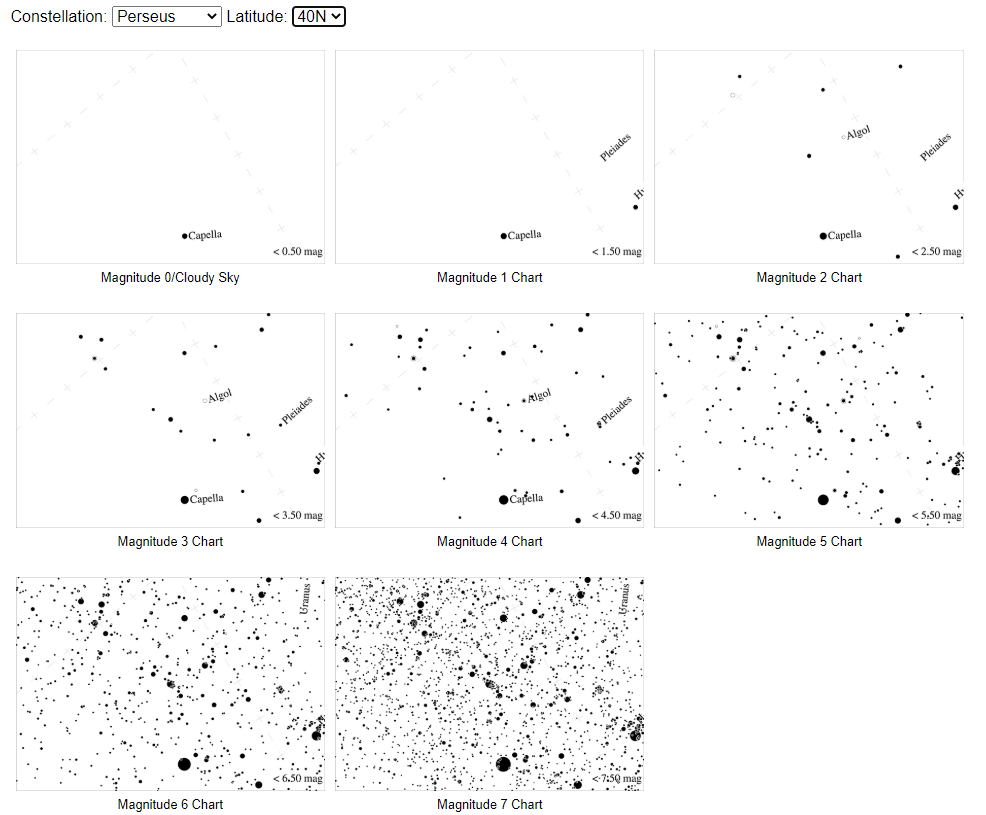
NEOWISE is currently approximately visual magnitude 2 (smaller numbers are brighter), which is easily visible in a semi-dark sky. You can use these star charts to estimate whether or not a magnitude 2 object will be visible where you are. If you can see as many stars as are in the magnitude 3 chart, or more, then the comet will be visible. If you’re reading this after July 10, check the current magnitude of the comet, and look for the chart for stars dimmer than that.

an image of 8 different sky maps showing different numbers of stars. Magnitude 0 shows only one star, Magnitude 1 shows a few. Magnitude 7 is very dense with stars.

Image from Globe at Night

Morning Sky

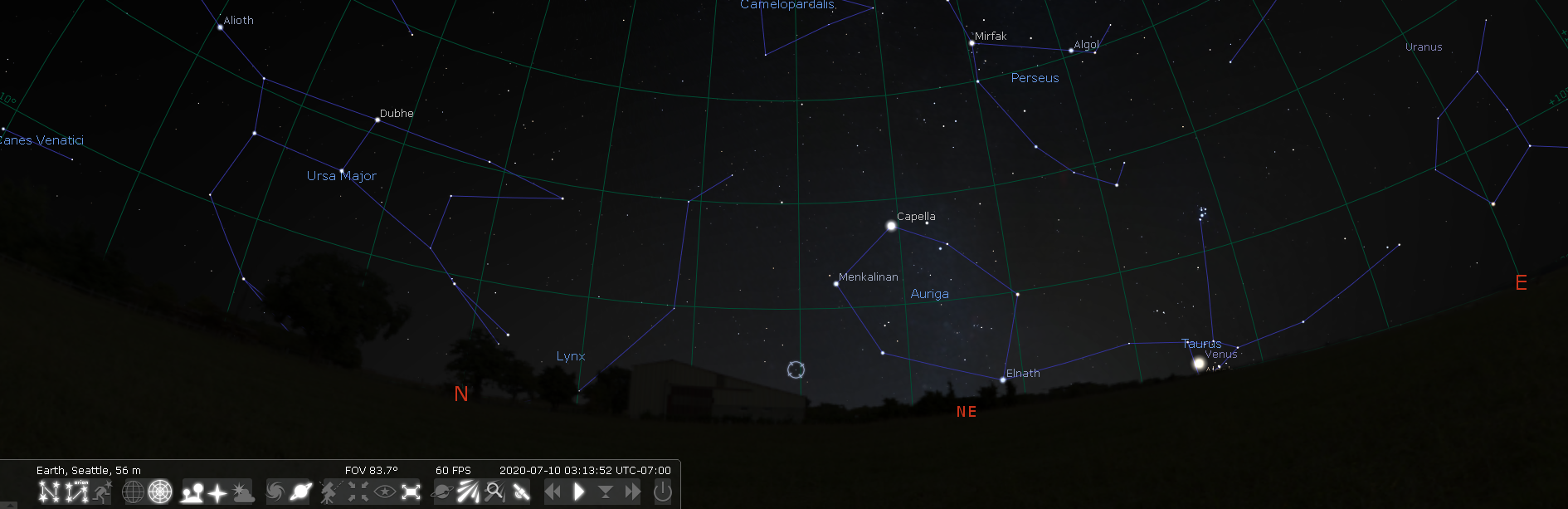
Your best chance for July 10 and July 11, 2020 will be around 3-3:40 am looking towards the Northeastern horizon.

a Seattle horizon view from Stellarium here for July 10th at 3am. It will show a small marker next to the Northeast horizon between the constellations of Auriga to the right/North and Ursa Major (the Big Dipper) to the left/South. The marker is about 1/4 of the from Auriga to Ursa Major, it is much closer to Auriga.

Image from Stellarium

The Northeast horizon is our worst horizon in West Seattle, because that’s directly over Seattle proper. Lots of light pollution. If you want to see this comet, you’ll have to go to the other side of the city. Consider the peninsula or the East side of the Cascades. Wherever you choose, please wear a mask and stay more than 6 feet away from stargazers who aren’t part of your household.

Evening Sky

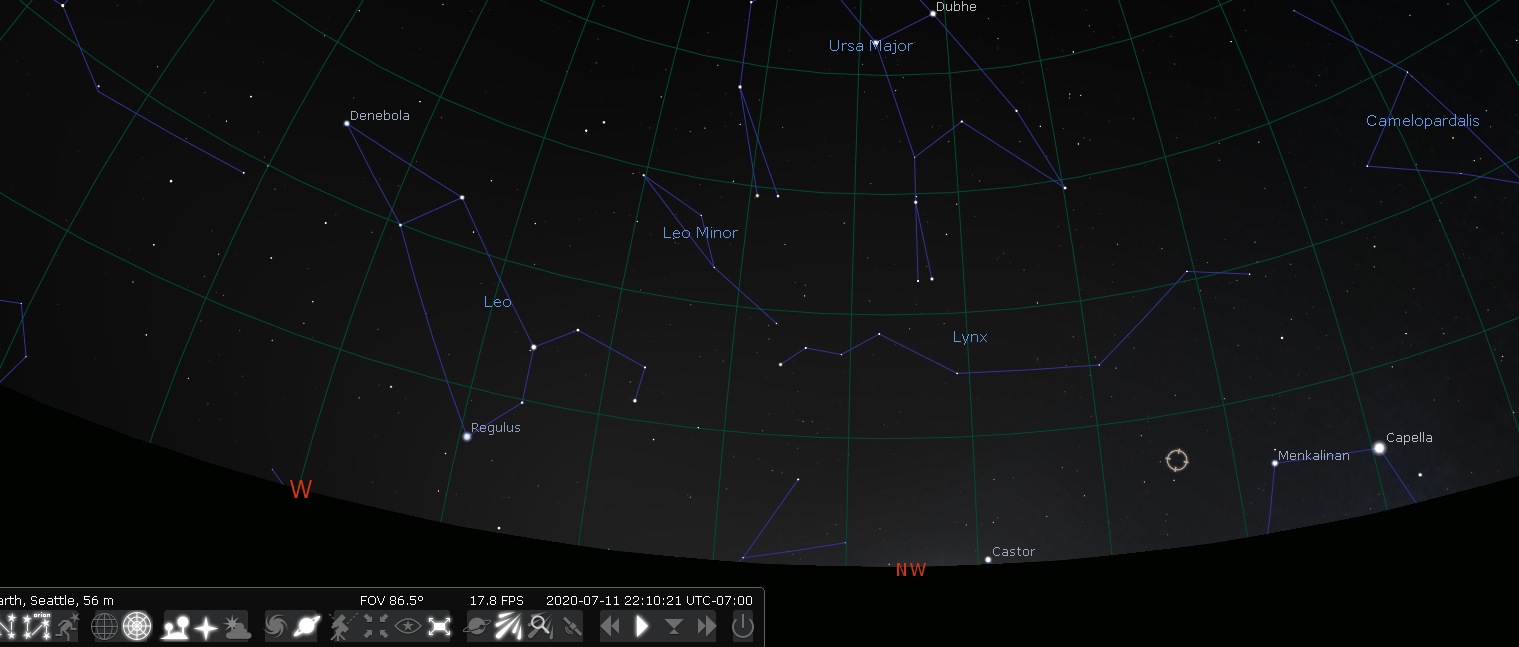
In a few days, after July 12, it will start to be visible after the Sun sets. You’re welcome to try for it before July 12, but since it sets just an hour after sunset, the odds aren’t good. You’ll be looking north of the Northwest horizon.

a Seattle horizon view from Stellarium here for July 11 at 10pm. It will show a small marker next to the Northwest horizon between the constellations of Auriga to the right/North, Ursa Major (the Big Dipper) above, and Leo to the left/South. The marker is about an eighth of the from Auriga to Leo, it is much closer to Leo. It is about a quarter of the way from Auriga to Ursa Major, closer to Auriga

Image from Stellarium

This is a much better horizon from West Seattle, you can view it from most place on the West side of West Seattle. I recommend trying for this one starting July 12 or so, and watch the news to see if other Northern Hemisphere folks have sighted it in their evening skies yet. Wherever you choose, please wear a mask and stay more than 6 feet away from stargazers who aren’t part of your household.

Binoculars

STOP! READ THIS!

If you use binoculars to see this, you must promise me you’ll put them down about 20 minutes before sunrise is predicted to happen. Please. This object is too close to the Sun for me to risk your eyes. Similarly, don’t begin looking for it until at least 5 minutes after you see the Sun finally set below the horizon.

This comet is going to be much more spectacular in binoculars or if you take a long-exposure photograph. A number of phones have “night sight” settings in the camera now, that will also bring out a little more detail, but you’ll need to hold the phone still: rest it on a stable surface.

Any old binoculars will work, they don’t need to be specific to astronomy.

Some useful sources:

  • Sky and Telescope has a map of NEOWISE’s positions over the course of July, and some photos by amateur astronomers.
  • Globe at Night has some reference star charts so you know how bright the stars are that you’re able to see.
  • Earth and Sky has tips on comet viewing, and the picture from Alexander Krivenyshev in Guttenberg, New Jersey is the most like what you’ll see.
  • Aerith.net by Seiichi Yoshida is full of detailed information about this comet, along with its most recent brightness.

Keep Looking Up!

-Alice

Astronomy Books for the Very Young

I think you can guess what spurred me to search out astronomy books appropriate for ages 0-2. That’s right, my daughter. Feel free to chime in with your favorites in the comments, but remember we’re talking about 0-2-year-olds here, so board books or simple text. Rhyming or rhythmic text is also good.

I was very unhappy when I found that the selection for 0-2-year-olds was quite limited. I liked several books out of what was available though. I’ve finished my first draft of a board book of my own, but until I find a publisher I’ll stick with recommending other people’s books.

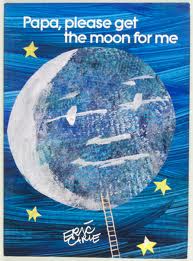
Papa Please Get the Moon For Me

Papa, Please Get the Moon for Me (Classic Board Book)

By Eric Carle — ISBN-13: 978-0689829598, Seattle Public Library, Amazon.

So far this is my daughter’s favorite of the books I got. I’m not surprised, because it’s by Eric Carle! I hesitate very slightly about recommending this one, because at the end it implies that the Moon actually changes size when it changes phase. But imagination is also important.

The board book has large flaps that are prone to being crunched by small hands. It’s a good book, anyway.


The Sun is my Favorite StarThe Sun Is My Favorite Star

By Frank Asch — ISBN-13: 978-0152021276, Seattle Public LibraryAmazon.

I love this one. The story is good, the pictures are clean and bright. It’s accurate and pretty.


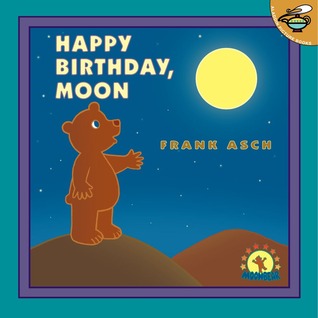
Happy Birthday MoonHappy Birthday, Moon

By Frank Asch — ISBN-13: 978-0812448320, Seattle Public LibraryAmazon.

Again, it’s an imaginative story, but stays correct in its scientific concepts. Moonbear can’t reach the Moon, but none-the-less is able to get the Moon a birthday present and give it. I think Frank Asch is one of my new favorite author-illustrators.


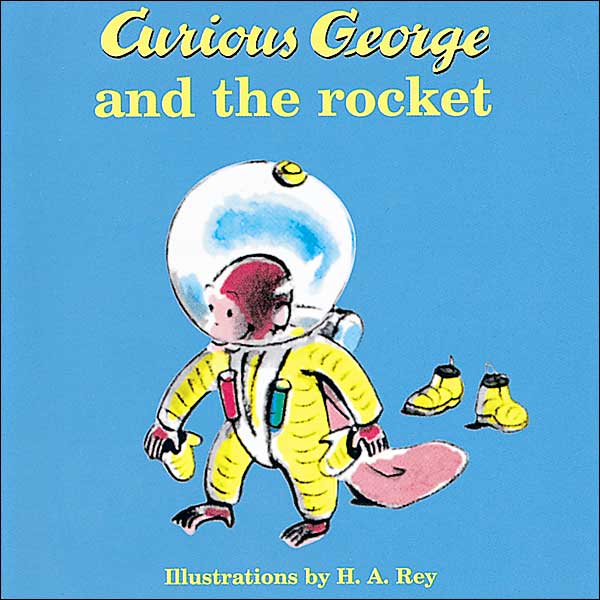
Curious-George-and-the-RocketCurious George and the Rocket (Board Book)

By H.A. Rey — ISBN-13: 978-0618120697, Seattle Public LibraryAmazon.

This is edited down from the non-board-book version (Curious George Gets a Medal), but somehow I don’t mind for this story. Monkeys always make a great story. And this one also has a countdown–lots of fun with the little ones.


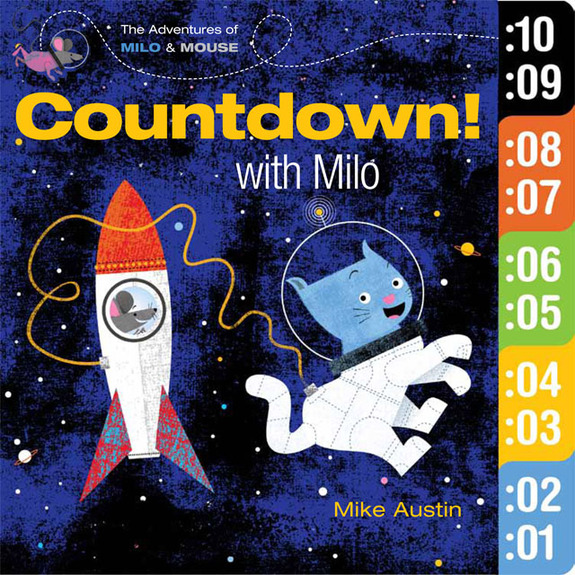
countdown with miloCountdown! With Milo (The Adventures of Milo and Mouse)

By Mike Austin — ISBN-13: 978-1609052089, Amazon.

I love it! It’s a countdown… I already said those are great, and the pictures have so many things to point at and find, and “buttons” to “push.” (It’s a plain flat board book, no real buttons).


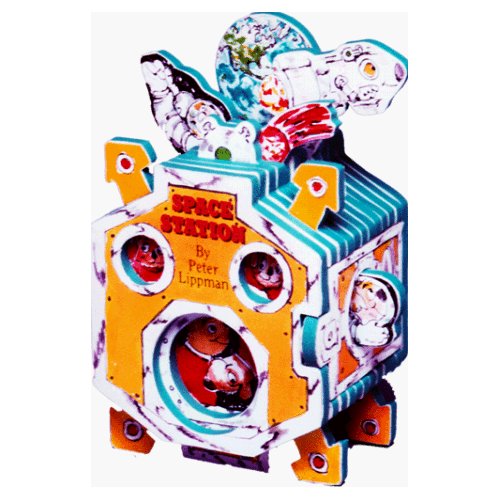
Space Station Mini House BookSpace Station (Mini House Book)

By Peter Lippman — ISBN-13: 978-0761115755, Amazon, but it’s out of print

I know, it’s out of print, so it isn’t fair for me to suggest it. This is a book and a toy. You open the pages to look through the space station. So far, in our house, it’s been less of a book and more of a toy–which is fine by me. Literacy at this age involves just being comfortable with books as well as spending time reading them. So, even if you can’t find this one, you can look up other Mini House books.


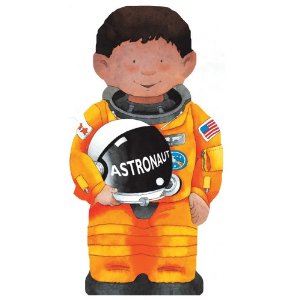
AstronautAstronaut (Mini People Shape Book)

By Giovanni Caviezel and C. Mesturini — ISBN-13: 978-0764162169, Amazon.

Another toy-book. I definitely got this one for the shape. The text is a bit advanced for right now, it’s pretty much a collection of factoids. Fun anyway.


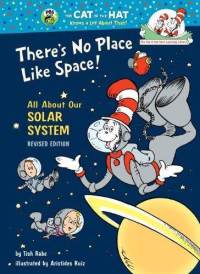
theres-no-place-like-space-all-about-our-tish-rabe-hardcover-cover-artThere’s No Place Like Space: All About Our Solar System Revised Edition (The Cat in the Hat’s Learning Library)

By Tish Rabe and Aristides Ruiz — ISBN-13: 978-0679891154, Seattle Public LibraryAmazon.

I would be remiss if I didn’t talk about this book. Much to my surprise I liked it. If you don’t have a 0-2-year-old in your life right now you might think Cat in the Hat is great for young kids. A lot of the Seussian books are actually a bit advanced, and long for the 0-2 crowd. Toddlers are not quite ready for the puns; the rhyming and rhythm are great for them though. This book is good and accurate enough, the rhymes are fun. It is a “tour of the solar system” book, but it doesn’t harp on about getting through basic facts on each planet. It just goes through one or two cute topics for each. You might not read the whole book with your toddler in one sitting, but that’s okay.

~ A l i c e !

Stargazing

Let me quite briefly draw your attention to the tab in the upper left corner “Seattle Stargazing” (for those of you reading through RSS, the link will take you to the same place) where I recommend good locations near and in Seattle for urban and not-so-urban stargazing.

I’m getting ready to update it for 2010, but the recommended locations remain the same. If you’re clicking over here from Greg’s Seattle Astronomy Examiner article – that page probably has some places to interest you.

~ A l i c e !

2009 Gift Guide

Since you asked me for the information, here you go!

Looking for something for that little (or big) astronomer in your life? Well, if you need a little help, or feel a like the possibilities are too infinite, I’ve gathered together some of my suggestions here. You should note: you know your friends and family best so ignore my age recommendations if you like. You should note, some of this sounds like I’m just advertising what we have to offer here at Pacific Science Center. Yes, I have a vested interest in Pacific Science Center doing well, but I promise this guide includes only gifts I would actually recommend or purchase myself for my own friends.

*A number of these ideas are available at the Pacific Science Center Store. Some are online, others are not. To find the items online go to pacificsciencecenter.org and click on the store link.

First Things First
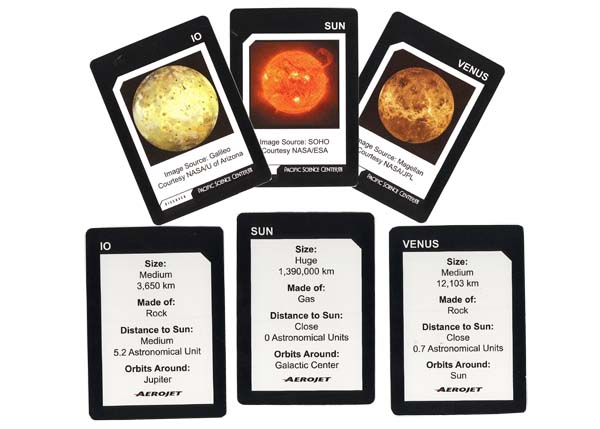
Solar System Cards

Solar System Cards

*Solar System Cards – I have to point these out, since I made them. Appropriate for many ages from beginning readers to adults, this is a full-color glossy deck of 44 objects within our solar system, and is a great way to figure out on your own why Pluto is now a “dwarf” planet. The deck is ideal for doing creative card sorts, laying out distance models, inventing games, or simply flipping through. This is not a deck of playing cards, and comes with minimal suggestions in order to inspire creative use. The cards are available exclusively through Pacific Science Center’s store. To find them on the web go to pacificsciencecenter.org, click on the store link, and search for “Solar System.” (By the way, educators, this is your last chance to get these, we won’t be doing another run!)

Membership to your local science museum or planetarium – a whole year of hands-on science exploration! This gift is perfect for a wide range of ages. Obviously, Pacific Science Center offers gift memberships starting as low as $45 – check out pacificsciencecenter.org/membership for details. Remember, a membership here gets you in to all museums participating in the Association of Science and Technology Centers Passport Program (over 290 museums!).

Books & Magazines

(More book recommendations)
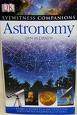
AstronomyEyewitness

**Eyewitness Companions: Astronomy* by Ian Ridpath, ISBN 978-0756617332 – This is a new publication of Smithsonian Handbooks: Stars and Planets by the same author. Man, this book is great. Easy to use as a reference, fun to flip through just for the fun of it, and a decent read cover-to-cover if you don’t need a narrative to take you from page to page. This is my number one recommended book whenever anyone asks me “What should I get to learn about…?” I recommend it for kids AND adults.
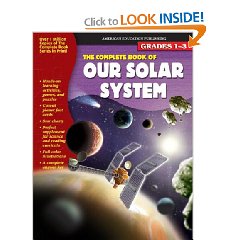
OurSolarSystem

**The Complete Book of Our Solar System* by School Specialty Publishing, ISBN 978-157768605 – I have only flipped through this book, but it is a paper-activity style book with mazes, word searches, etc. I had some of these types of books when I was little and there was always something interesting to do in them. Grades 1-3.
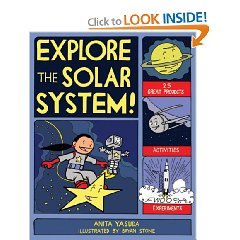
ExploreSolarSystem

**Explore the Solar System! 25 Great Projects, Activities, Experiments* by Anita Yasuda, ISBN 978-1934670361 – Once again, this is the first I’ve seen of good astronomy activity books so I haven’t gotten a chance to fully read through them. This one is more projects and experiments – which I find really exciting. Kids will probably need more help executing the activities in this book because they’ll need help gathering supplies, but it should be rewarding none-the-less. Ages 7-0.
SkyandTel

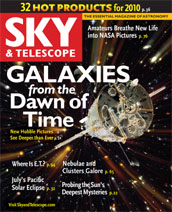
Sky and Telescope Magazine – Sky and Telescope is focused more on actual stargazing and observing tools and tips. This is the magazine I subscribe to. I recommend it for high school reading level and above.

Astronomy Magazine – Astronomy is slightly more directed towards new discoveries, current research, and the physics-y side of astronomy, though it does have a good section on what’s up in the current sky. I recommend this for an adult reading level and above.

Equipment

Binoculars – Binoculars are always a better place to start than a telescope. The Meade Travelview 7×50s are a good option, though anything made by a company you’ve heard of should work well. I strongly recommend a tripod as well, though you’ll need to buy or make an adapter to get the binoculars to sit on the tripod. I recommend binoculars for ages 6 through adult.

Telescopes – Please read “What Telescope Should I Buy?

Planisphere

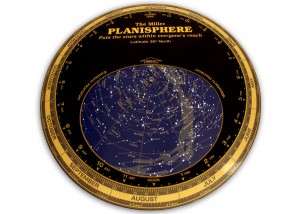
*Planisphere – A planisphere is a starmap that is good all year round. If you’re buying one for someone who lives in another city, make sure you get one that is good for their latitude. Since it takes some concentration to learn how to use and read a planisphere, I recommend these for middle school and above. I also recommend taking it to your local planetarium and having the teacher show you how to use it.

Toys

earthball

*EarthBall (Inflatable) – I find this satellite-image based beach-ball/globe delightful. Of course, that may be because I like playing with the planets. There is something just intrinsically fun about a beach ball, and there is something just … beautiful about satellite images of our planet from space. I’m sure this says ages 3 and up since it is made of plastic and could become a choking hazard somehow, but other than that I don’t see why any age wouldn’t love this.

*Glow-in-the-Dark Stars – The little ones are best, because you can make a whole galaxy or lots of constellations in your bedroom (for people who wear glasses, like me you might want to go with bigger stars.) I have also always found the planets somewhat boring as they’re not to scale. As an added bonus, include a starmap or planisphere to help create the real constellations or the sky on a specific night. (Ages 3+ because of small parts)

ShuttleToy

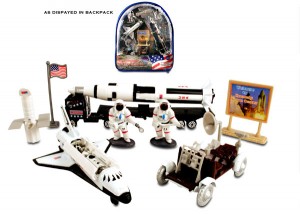
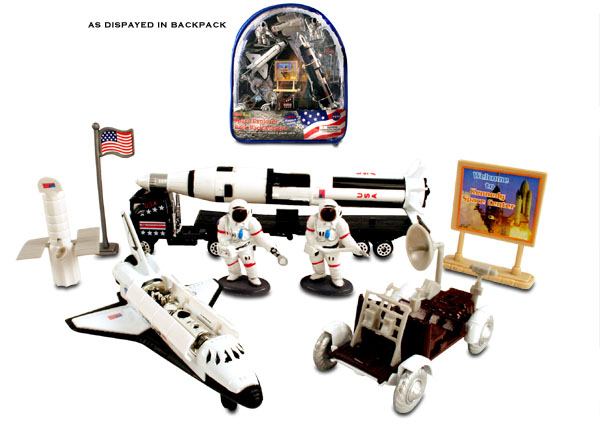
*Space Shuttle Toy – One of my favorite toys when I was about four was a set including the Space Shuttle, a NASA truck, and a trailer for the Shuttle. The one we have like this at Pacific Science Center is called the “Space Shuttle Backpack Playset.” It is important to note when buying toy space shuttles – the cargo bay doors must be open and closeable – preferably with room to store something inside. At least, that was what mattered to me when I was four. People that can sit in the seats and be moved around are an added bonus. People that aren’t to scale and don’t fit in the seats are frustrating. (Ages 3+ because of small parts)

*Posters – Any beautiful astronomy poster. Hubble images are great, pictures of the whole galaxy are great. Really, if you think it is pretty and it’s a photo, it is hard to go wrong here. Posters full of little bits of information are great for the detail-studiers in your family (the ones who can always find Waldo).

“Desk” or “Grown-Up” Gifts

50-Yr

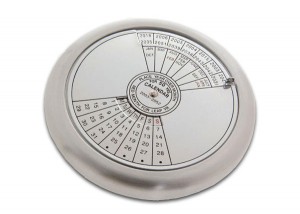
*50-Year Calendar/Paperweight – Sometimes called a perpetual calendar, you just spin the metal disks on this paperweight to the current year and month, and the days of the month are displayed below. Ingenious!

Earth Marble – your very own “blue marble.” There is also a collection of paperweights made by Glass Eye Studio that are very beautiful and should impress any lover of astronomy.

StarWalk

StarWalk – An app for the iPhone, in support of the International Year of Astronomy. This starmap app is beautiful and very well put together. It has the basic information you might want while out observing, and not so much as to be overwhelming. For users of other systems I recommend PocketStars (not as pretty, but just as useful) for Windows Mobile, and Google Sky Map (not to be confused with Google Sky) for Android.

Planisphere Watch – totally astronomy-geeky and perhaps not that useful, but this watch doubles as a planisphere.

Gifts I Recommend Against

Home Planetariums and Star Projectors – Home planetariums are cute for about an hour, but they aren’t very accurate, tend not to move appropriately, and don’t project well on a square room. Also, the constellations can be difficult to identify because the stars are all the same size.

Solar System Mobiles – I have yet to see one that’s really well made, so usually they look shoddy, and aren’t to scale in either size or distance. They couldn’t be to scale in both – but I’d like to see one that’s to scale in at least one way.

Buy/Name a Star – Unfortunately the organizations selling stars are not authorized to sell those stars, and the stars sold are often very dim and hard to find (though if you bring your map by Pacific Science Center we’ll do our best to help you out). If you’d really like to give a star, do this instead: look through a starmap and pick a bright one that’s easy to find. Make a pretty card and map of it and share this with your loved one. Together you can learn to find it, and it can be your star. You can watch for it to show up every year.

Automatic Constellation Identifiers – I’ve only used a few, and I’ve found them lacking or inaccurate. It’s more rewarding to spend the time learning to read a starmap or a planisphere and identify the constellations on your own. My thought is that the automatic constellation identifiers will end up in the “gadget” drawer, never to be used again.

Telescopes – Most telescopes that you are tempted to buy as gifts are very difficult to use, do not have good optics, and lead to more frustration than discovery. Telescopes too often end up in the closet. You can buy decent telescopes at a decent price – you just won’t see them in gift stores because they don’t “look right.” Please read “What Telescope Should I Buy?” before purchasing a telescope.
~ A l i c e !
What Do You Want for Christmas?

Hey Astronomers!

If you could have anything, as an astronomer, given to you as a gift this holiday season, what would you want? Time on Hubble? A gift certificate for one of your papers to be automagically accepted to Astronomy and Astrophysics? A graduate student to do your data entry? Stuff from thinkgeek?

We’re trying to put together a tongue-in-cheek gift-buying guide for astronomers… and I could use some brainstorming.

Comment or email me at [thenameofthisblognospacesnoapostrophe] [at] [gmail]. Thanks for your input!

What Telescope Should I Buy?

I get asked this question regularly. I wish I could just say “learn enough about telescopes and the night sky so you can answer that question yourself,” but that advice is ignored because it is unsatisfactory. If you press me for an answer, this is what you’ll get.

Half of this is from guest blogger Keith Enevoldsen (my dad!) who didn’t know he was writing for this blog when he wrote these words, but it is sound advice and well worded.

Your First Telescope:

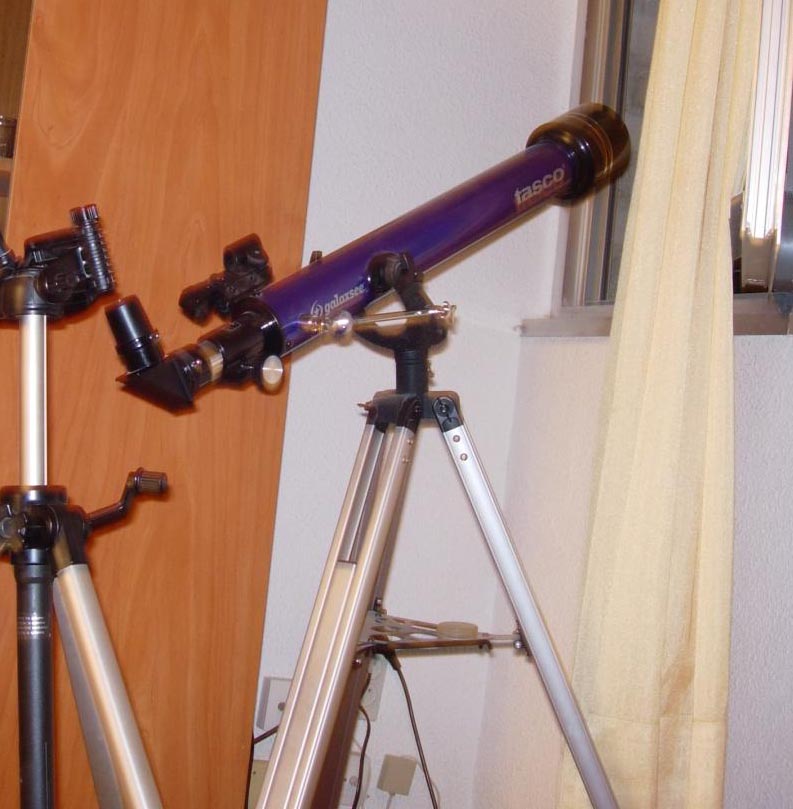
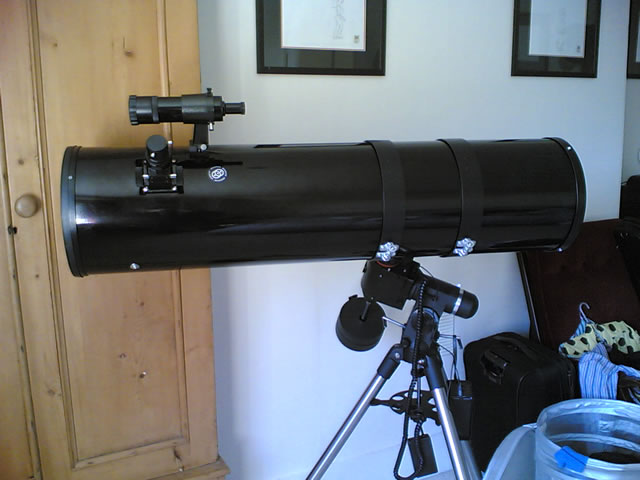
Whatever you do, don’t buy a scope that “looks like a telescope.” What I mean is, if it looks like a long thin tube, or you can picture Galileo using it, it’s the wrong thing. You want something short and fat. “Willowy,” “elegant,” and “sleek” are not the right words to describe the right telescope.

This is wrong

This is wrong (image courtesy of _guu_)

This is right (image courtesy of vbloke)

This is right (image courtesy of vbloke)

Price:

Telescopes less than about $200 generally have poor optics. If you want to go much below about $200, then get some quality binoculars instead.

AstroScan:

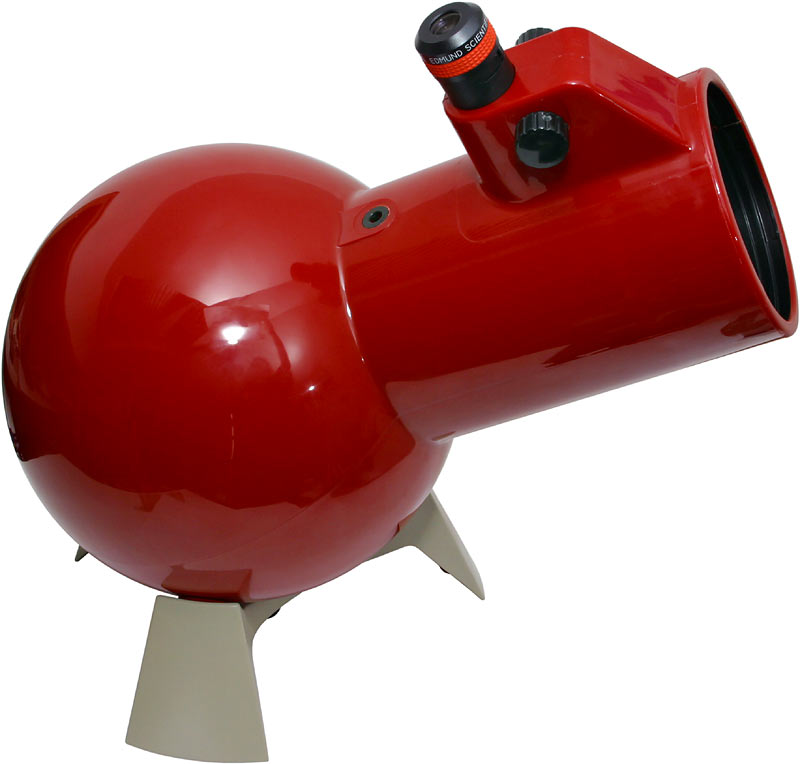
My favorite beginner telescope is the Astroscan from Scientifics. It is about $200. It’s cute and fun and simple. It has a very wide field of view (as opposed to very high magnifying power) and a ball-shaped bottom, so you can point it by simply moving it with your hands — no fiddly knobs and no computer to figure out. It’s easy to take camping where skies are dark. You just plop it on the ground or on a table or on the hood of your car. You can get a tripod for it if you want one, but you don’t need one.

AstroScan (image courtesy Scientifics Online)

AstroScan (image courtesy Scientifics Online)

Orion StarBlast:

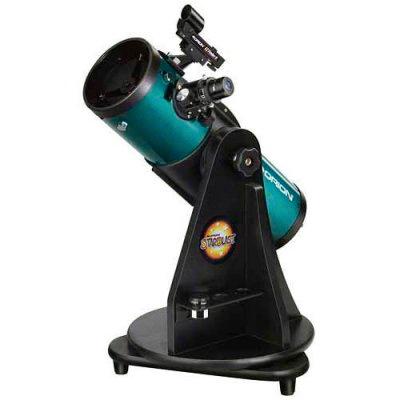
The other decent scope in that price range is the Orion StarBlast. It’s basically an AstroScan in a different shape. The mount is very easy to manipulate – just grab and point. It has a more complex finder-scope on the side than the AstroScan, which means it’s easier to mess up, but it is also slightly easier to use than the AstroScan’s sight.

I also have to admit that Orion got me with this one. They donated a StarBlast to PSC. I was quite skeptical at first, since I love the AstroScan, and I didn’t believe that anything could measure up. After I used it a few times I was sold. It’s a good scope. If I were buying a new scope, I’d buy an AstroScan, but this would be a close second.

Orion StarBlast (image courtesy Orion)

Orion StarBlast (image courtesy Orion)

Both of these scopes are compatible with all the normal-sized eyepieces available on the market. Most telescopes you get from a department store use a different sized opening, so you need to use their eyepieces, and you can’t slowly upgrade over time.

Binoculars:

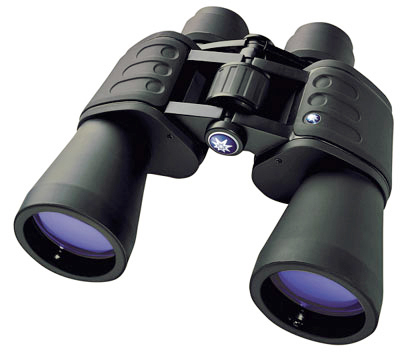
Good binoculars and a tripod are usually the best option for beginning stargazers, but the scopes we mentioned are pretty close to just as good. We use the Meade Travelview 7x50s (about $30) here at Pacific Science Center, though anything that seems decent will work – even little birding binocs. If you want to be a little bit careful about your binoculars, get a pair of 7x50s from a company that you’ve heard of.

Meade Travelview 7x50s (image courtesy Meade)

Meade Travelview 7x50s (image courtesy Meade)

What’s Good for Beginners To Look At:

Remember, the Moon is by far the best thing to look at in the sky. The Moon looks huge and fantastic with a wide-field telescope like the Astroscan — you can see the whole Moon and lots of craters. The Moon also looks pretty good through good binoculars. The Moon changes every day — you see different craters each day. You don’t need dark skies to see the Moon. You can see some other things with a backyard telescope (that you can’t see with binoculars), like the rings of Saturn, and nebulas, but almost everything is very tiny or very faint compared to the Moon.

If you want higher magnification, so you can clearly see the stripes on Jupiter, the icecaps on Mars, and the gap in the rings of Saturn, then you will have the problem of how to accurately point a telescope with high magnification, and how to continually move the telescope to counteract the turning of the earth. The best solution is to use a computer and a motor to point the telescope, but this gets expensive. But the cheaper manual fiddly knobs are a pain. Also, if you don’t use a computer to aim your telescope, you need to be sure you have a good finder scope mounted on the side.

This is why I recommend a wide-field telescope like the AstroScan (or good binoculars) for beginners.

Want More?

Sky and Telescope’s advice:

Basics of Telescope Buying
Buying a Telescope as a Gift

More detailed advice:

ScopeReviews

Keith & Alice Enevoldsen